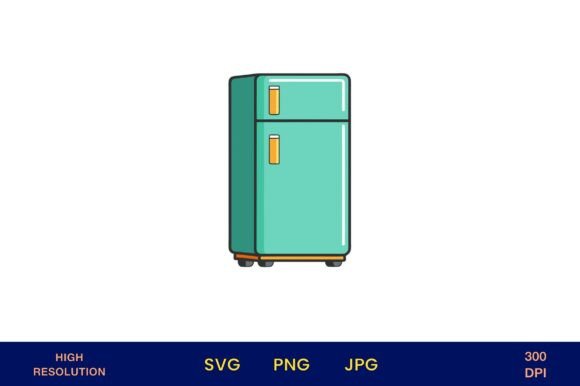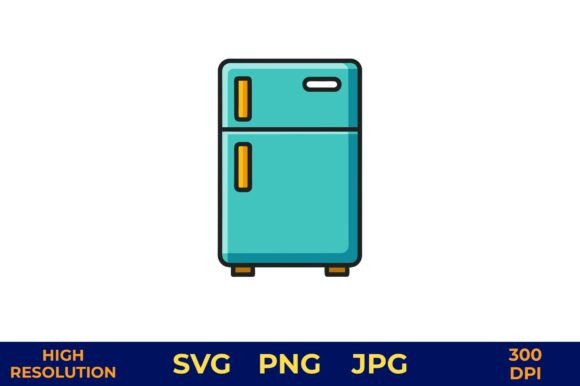
Retro Fridge Vector Design in Teal Color
When I sit down to evaluate a new design asset for my embroidery business, I am rarely looking at it as just a pretty picture. I am looking at it as a blueprint for production. I need to know how those lines will translate into thread, how the color palette will hold up after twenty wash cycles, and whether the final finished product will justify the price tag on an Etsy listing or a craft fair table. Today, I am putting Retro Fridge Vector Design in Teal Color through that same rigorous mental test. This is a vintage turquoise refrigerator vector illustration isolated on a white background, offered as high-quality SVG, PNG, and JPG files. But does it work when it leaves the screen and enters the hoop?
First Impressions: Mood and Visual Personality
The immediate appeal of this design lies in its nostalgic charm. The teal colorway is not a generic blue; it carries that specific mid-century modern weight that signals quality and warmth. For designers specializing in kitchen design aesthetics or vintage-inspired home goods, this vector provides a strong anchor. The shape is clean, rounded, and instantly recognizable, which is crucial for embroidery. Unlike complex landscapes or abstract art that can get lost in stitch texture, a fridge has distinct geometric boundaries that are forgiving yet detailed enough to look professional.
From a branding perspective, this design screams "boutique." It fits perfectly into the current trend of cozy, retro-modern interiors. When I imagine seeing this stitched onto a canvas tote bag hanging in a local market, it feels curated rather than mass-produced. The isolation on a white background in the source file is a massive advantage for us, as it allows for easy color manipulation in digitizing software without fighting against unwanted background elements.
Real-World Application: Where This Design Shines
I have spent years testing designs on various substrates, and I believe this particular vector has a sweet spot for several specific categories. Let’s look at where Retro Fridge Vector Design in Teal Color truly excels.
- Kitchen Textiles: This is the most obvious and perhaps strongest use case. A tea towel or a flour sack towel embroidered with this design immediately elevates a simple kitchen staple into a gift-worthy item. The teal pops beautifully against natural linen, cream, or even navy backgrounds. It works exceptionally well as a personalized gift for housewarmings or weddings.
- Custom Apparel and Aprons: For the craft business owner, placing this on a denim apron creates a cohesive brand identity. It suggests a baker, a coffee roaster, or a boutique grocer. On a sweatshirt, it adds a layer of personality that appeals to the handmade product enthusiast who wants something unique.
- Baby and Nursery Decor: While it is a kitchen appliance, the soft curves and pastel-leaning teal make it surprisingly suitable for nursery wall hangings or baby blankets. It bridges the gap between functional decor and whimsical art, making it a versatile choice for small shop products.
- Embroidered Patches: The solid shapes allow for excellent appliqué possibilities. You could use this as a base for an appliqué design, adding satin stitch details for knobs and handles, creating a textured embroidered patch that stands out on backpacks or jackets.
Technical Considerations and Stitch Execution
As an experienced reviewer, I must address the technical reality of turning this vector into a machine embroidery design. The transition from digital graphic to physical thread requires careful planning regarding stitch density and thread colors.
The design relies heavily on the outline and major blocks of color. If you are digitizing this yourself, pay close attention to the door handle and the top vent area. These small details can easily become muddy if the stitch density is too high or if the fabric is too stretchy. I recommend using a stabilizer appropriate for the fabric weight—cut-away for knits like sweatshirts, and tear-away for stable wovens like cotton towels.
For the best visual impact, consider a two-tone approach. Use a crisp white or light grey for the main body of the fridge to create contrast against the teal accents, or vice versa. This mimics the actual lighting and shadow of a real refrigerator, giving the embroidery depth. Avoid filling every pixel with fill stitch; instead, let some of the fabric show through, especially on curved surfaces like the rounded corners of the fridge doors. This technique reduces bulk and prevents the fabric from puckering.
Where to Exercise Caution
No design is perfect for every scenario. There are specific situations where Retro Fridge Vector Design in Teal Color might struggle, and knowing these limits is what separates a pro from a hobbyist.
- Small Hoop Sizes: If you attempt to stitch this in a 4x4 inch hoop, the fine details may be lost. The design needs breathing room to convey its vintage character. Stick to medium to large hoops to ensure clarity.
- Textured or Stretchy Fabrics: While it works well on denim, highly textured fabrics like heavy wool or very thin, sheer materials can distort the clean lines of the vector. On stretchy fabrics, always use a stabilizer to prevent the satin stitch edges from waviness.
- Dark Backgrounds: Since the original vector features a teal fridge on white, stitching this directly onto dark fabric without underlay or a contrasting base layer can result in poor visibility. You may need to add a white backing or adjust your digitization to ensure the teal remains vibrant.
- Dense Detail Areas: Avoid over-stitching the small decorative elements. If the stitch count becomes too dense, the fabric will stiffen, ruining the drape of a garment or the feel of a towel.
Final Verdict: Value and Commercial Viability
Does this design deliver value? Absolutely. For the Etsy seller or creative entrepreneur, Retro Fridge Vector Design in Teal Color offers a low-risk, high-reward aesthetic. It taps into a popular nostalgia trend without being overly trendy, meaning it has longevity. The fact that it comes in multiple formats (SVG, PNG, JPG) means you can use it for both direct-to-garment printing, heat transfer vinyl (HTV), and as a reference for digitizing your own machine embroidery design.
The visual appeal is high, the mood is welcoming, and the execution potential is broad. Whether you are creating a holiday embroidery collection, a line of custom apparel, or simply updating your brand consistency with fresh assets, this design is a solid addition to your library. Just remember to test on scrap fabric first, check your hoop size, and confirm your licensing terms before moving into full-scale production. When done correctly, the result is a professional piece that customers will love to display and use.