Retro Camera Vector Design with Vibrant
As a designer who spends half my life staring at stitch density charts and the other half trying to make handmade goods look professional on Etsy, I don’t just buy digital files—I evaluate them. I need to know if a design will actually hold up when it comes off the screen and onto fabric. When I first pulled up Retro Camera Vector Design with Vibrant, I wasn’t looking for another generic clip-art image. I was looking for something with character, something that could anchor a small business merchandise line or serve as a standout personalized gift.
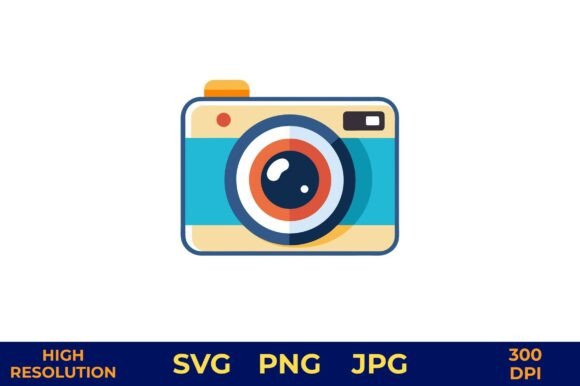
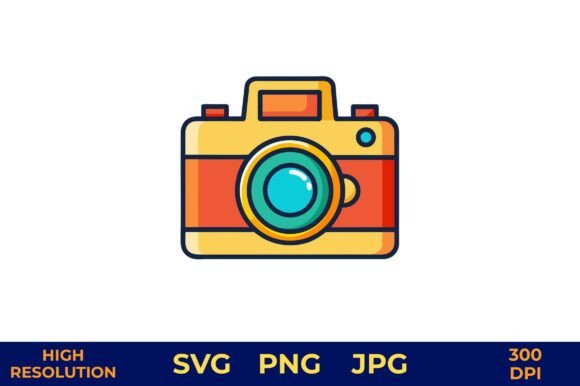
This piece falls squarely into the Illustrations and Graphics category, but its potential goes far beyond a simple desktop wallpaper. It is a vintage yellow and orange retro camera vector illustration featuring a teal lens and shutter button. The color palette is bold, nostalgic, and undeniably eye-catching. But does it translate well to thread? That is the real question for any embroidery designer considering this for their next project.
First Impressions: Mood and Visual Personality
The immediate appeal of Retro Camera Vector Design with Vibrant lies in its specific aesthetic. It taps into the "vintage cool" trend without feeling dated or cluttered. The combination of warm yellows and oranges against a cool teal lens creates a natural visual contrast that works beautifully in both digital mockups and physical products. For an embroidery designer, this contrast is crucial. It suggests a design that won’t get lost in the background of a busy patterned fabric or blend too seamlessly into a solid-colored tee.
The shape of the camera is recognizable but stylized. It feels approachable, making it suitable for a wide range of audiences—from photography enthusiasts to parents looking for unique nursery decor. The layout is balanced, which means it should digitize cleanly. There is no ambiguity in the lines; the shutter button and lens are distinct elements that lend themselves well to different embroidery techniques. It feels like a design meant to be seen, not just used as a subtle accent.
Real-World Application: From Screen to Stitch
I recently considered using this design for a custom embroidered tote bag aimed at creative entrepreneurs. The goal was to create a product that felt professional yet playful. Here is how I envision Retro Camera Vector Design with Vibrant performing in various real-life scenarios:
- Tote Bags and Canvas Totes: This is perhaps the most obvious fit. A large-format embroidery of this camera on a sturdy canvas bag allows the vibrant colors to pop. The vintage theme resonates with artists and photographers, making it a strong seller for craft fairs or boutique shops. The clean lines ensure that even after multiple washes, the design remains crisp.
- Sweatshirts and Hoodies: For a cozy, oversized sweatshirt, this design adds a focal point without overwhelming the garment. The yellow and orange tones work particularly well on navy, black, or charcoal backgrounds, creating a striking contrast that draws the eye. It transforms a basic blank into a statement piece.
- Baby Items and Nursery Decor: While cameras might seem like a niche interest for infants, the soft, rounded shapes of this vector illustration can be adapted for baby blankets or bibs. If digitized with slightly softer edges or placed on a pastel background, it becomes a charming keepsake item. It also fits perfectly into a "creative family" theme for personalized gifts.
- Embroidered Patches: The self-contained nature of the camera graphic makes it ideal for patch design. Whether sewn onto denim jackets, backpacks, or hats, it serves as a badge of identity for the wearer. The vibrant colors ensure the patch stands out against textured fabrics like denim or wool.
- Aprons and Kitchen Towels: For the home cook who loves aesthetics, this design adds a touch of whimsy to the kitchen. Placed on a white or cream linen apron, the teal lens provides a cool counterpoint to the warm camera body, creating a sophisticated yet fun look.
Technical Considerations for Embroidery Designers
While the vector art is visually appealing, translating it into a functional machine embroidery design requires careful planning. As someone who has learned the hard way about stitch density and fabric tension, I recommend approaching this file with the following practical notes in mind:
Stitch Density and Detail: The lens and shutter button contain smaller details that must be carefully digitized. If the stitch density is too high, the fabric may pucker, especially on lighter materials. Conversely, if the details are too sparse, the design may look thin and lose its impact. Test the design by converting it to a black-and-white mockup to check for balance. Ensure that the satin stitch borders around the camera outline are tight enough to prevent fraying but not so dense that they create bulk.
Thread Color Selection: The success of this design hinges on thread choice. You cannot rely on the vector’s exact hex codes. Instead, select threads that mimic the vibrancy of the original illustration. High-quality polyester threads usually offer better sheen and durability than rayon for everyday use items. Consider using a contrasting thread color for the stitching outlines to enhance definition, especially if you are embroidering on darker fabrics.
Fabric and Stabilizer Choices: Always test the design on scrap fabric before committing to your final product. For stretchy fabrics like jersey knits (common in t-shirts and baby clothes), a cut-away stabilizer is essential to prevent distortion. For woven fabrics like cotton twill or canvas, a tear-away stabilizer may suffice. Be cautious when embroidering on textured fabrics, such as fleece or terry cloth, as the pile can obscure fine details and affect the accuracy of the running stitch or fill stitch areas.
Hoop Size Constraints: Before beginning production, confirm the hoop size required for the design. If you plan to place this on curved surfaces like caps or sleeves, you will need a specialized cap hoop or sleeve attachment. Ensure that the design scales appropriately within these constraints. A design that looks perfect in a 5x7 inch hoop may become distorted or lose detail if forced into a smaller 4x4 inch hoop.
Where to Use Carefully
Not every surface is created equal. While Retro Camera Vector Design with Vibrant is versatile, there are situations where it may not perform as expected:
- Small Hoop Sizes: Avoid placing this design in very small hoops unless you are simplifying the details. Tiny lettering or intricate lens patterns may become indistinguishable when stitched at a reduced scale.
- Dense Stitch Areas: If the digitization includes large blocks of fill stitch, be mindful of the fabric’s ability to support that weight. On thin or delicate fabrics, heavy fill stitches can cause visible puckering on the reverse side.
- Dark Fabrics: While the bright colors work well on dark backgrounds, ensure that the underlying base stitches do not show through. Using a proper underlay stitch can help stabilize the design and prevent thread visibility issues.
- Products Requiring Frequent Washing: For items like baby clothes or aprons that will undergo frequent laundering, prioritize durability over extreme detail. Reinforce key areas with additional satin stitches to prevent wear and tear over time.
Final Verdict for Craft Business Owners
For Etsy sellers, small shop owners, and commercial embroidery professionals, Retro Camera Vector Design with Vibrant offers a strong foundation for building a cohesive product line. Its visual appeal is high, and its thematic relevance spans multiple niches, from photography gear to general lifestyle branding.
However, remember that a vector file is only the starting point. The true value lies in how you digitize it, choose your materials, and present the finished product. Take the time to test, refine, and understand the limitations of your equipment. By doing so, you can transform this vibrant graphic into a profitable, high-quality handmade product that customers will love.
Before selling finished items or using this as part of your design assets portfolio, always double-check the licensing terms included with the download. Ensure you have the right to use the design commercially, whether for personalized gifts, custom apparel, or printable mockups. With proper preparation, this retro camera design is more than just a pretty picture—it is a viable tool for creative entrepreneurship.