Old Desktop Computer Vector with Blank Review
As a designer who spends more time looking at stitch lines than actual code, I am always skeptical when I see vector graphics marketed for embroidery. There is a massive gap between a clean digital illustration and something that actually holds up under the tension of an embroidery machine. That is why I took a close look at the Old Desktop Computer Vector with Blank before committing it to fabric. This isn’t just about nostalgia; it is about whether this specific design asset can survive the transition from screen to stitch in a way that feels professional and valuable to the end user.
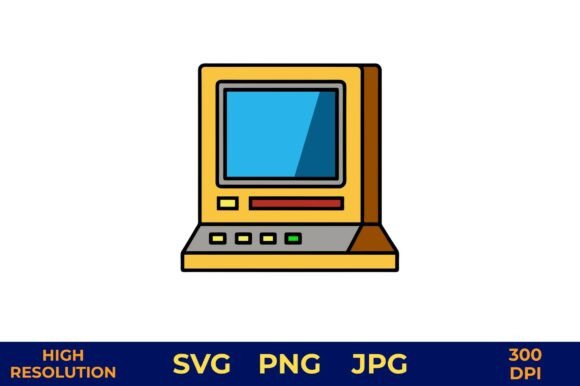
The premise here is straightforward: a vintage computer monitor vector illustration isolated on a yellow background. It falls squarely into the realm of retro tech design. For those of us building brands around nostalgia, geek culture, or mid-century aesthetics, this theme has legs. But does the execution work? Let’s break down how this machine embroidery design performs in real-world scenarios, from custom apparel to small business merchandise.
First Impressions and Visual Personality
When you first pull up the Old Desktop Computer Vector with Blank, the mood is distinctly retro. The yellow background provides a high-contrast pop that immediately grabs attention, which is crucial for handmade products displayed on shelves or in Etsy listings. However, as an embroiderer, my eyes go straight to the complexity. A vintage monitor implies boxes, screens, cables, and perhaps some subtle detailing like vents or buttons.
The visual personality of this piece leans toward graphic and bold rather than delicate. This is actually a strength. Embroidery thrives on strong shapes. Intricate, hairline details often get lost or turn into messy blobs of thread, but a solid blocky monitor shape translates well. The "blank" aspect mentioned in the title suggests there is space for customization—perhaps text, a logo, or a secondary graphic inside the screen area. This flexibility makes it a versatile choice for personalized gifts and custom apparel.
Real-World Application: Where Does It Fit?
I have tested similar designs across various mediums, and the Old Desktop Computer Vector with Blank finds its sweet spot in specific niches. It is not a one-size-fits-all solution, but it excels in targeted applications.
- Tote Bags and Canvas Totes: This is arguably the best use case. The sturdy canvas fabric supports the weight of the embroidery without puckering. A retro computer graphic on a tote bag appeals to students, creatives, and office workers who appreciate a bit of humor in their daily carry. It works beautifully as a tote bag design that doubles as a conversation starter.
- Sweatshirts and Hoodies: The chunky nature of knit fabrics complements the blocky aesthetic of the vintage monitor. When designing for sweatshirt embroidery, the contrast between the soft fleece and the structured thread work creates a premium feel. This design would perform exceptionally well on the chest or back of a heather grey or navy sweatshirt.
- Applique Projects: If the vector allows for it, this design could be adapted into an applique design. Using a contrasting fabric for the monitor body and a different color for the screen adds dimension. This technique elevates a simple graphic into a high-end boutique item, perfect for craft business owners looking to increase their average order value.
- Patches and Badges: The isolated nature of the vector makes it ideal for creating embroidered patches. These are huge sellers for Etsy sellers and craft fair vendors. You can apply them to denim jackets, backpacks, or hats, extending the life of the product beyond just the garment itself.
Technical Considerations for Stitching
While the concept is strong, the devil is in the details. Before you load this file into your hoop, there are several technical hurdles to clear. The original description mentions SVG, PNG, and JPG formats, but these are vector and raster images, not native embroidery files (.DST, .PES, etc.). You will need to digitize this vector yourself or hire a digitizer to convert it.
During digitization, pay close attention to stitch density. Vintage monitors often have thick borders. If the digitizer packs too many stitches into those borders, the fabric will pucker, especially on lighter materials. Conversely, if the fill areas are too sparse, you will see the backing material through the threads. Aim for a balanced density that ensures durability without stiffness.
Another critical factor is the hoop size. Ensure the final digitized design fits comfortably within your standard hooping dimensions. If you plan to place this on a cap or a curved surface, remember that distortion is inevitable. The Old Desktop Computer Vector with Blank should be slightly simplified for curved surfaces to maintain readability. On flat items like aprons or pillow covers, you have more freedom to include finer details.
Thread Colors and Contrast
The yellow background in the vector is vibrant, but yellow thread can be tricky. Some yellow threads appear neon or plastic-like, while others look muted or muddy depending on the lighting. Test your thread colors carefully. A mustard or ochre thread might capture the "retro" vibe better than a bright lemon yellow. Also, consider the base fabric. On dark fabric, you will need a heavy cut-away stabilizer and potentially a tear-away underlay to prevent the yellow from showing through or the design from sinking into the pile of the fabric.
Where to Be Cautious
Not every project is suitable for this design. Avoid using it on thin, stretchy fabrics like jersey knits unless you are using a very stable water-soluble topping and precise hooping techniques. The tension required to hold the design together might distort the fabric. Similarly, be careful with tiny lettering. If the vector includes small text on the monitor bezel, ensure it is large enough to be read after stitching. Tiny text often becomes illegible noise in embroidery.
Also, think about the washing instructions. If this is for a handmade product intended for frequent washing, such as a kitchen towel or baby blanket, ensure the stitches are secure. Loose ends can snag, and dense fill stitches can trap lint. A well-digitized design with proper trimming will stand the test of time.
Final Verdict for Designers and Sellers
The Old Desktop Computer Vector with Blank is a solid foundation for a profitable embroidery line. It taps into a recognizable aesthetic that resonates with hobbyists and professionals alike. Its versatility allows it to be used in commercial embroidery projects, personalized gifts, and design assets for digital mockups. However, success depends entirely on the quality of the digitization.
Do not simply upload the vector and hope for the best. Treat it as a starting point. Digitize it with care, check the stabilizer choices, and test it on scrap fabric first. If you do the work upfront, this design can become a staple in your catalog, appealing to anyone who loves a touch of retro charm in their modern wardrobe or home decor. For small shop product creators, it offers a unique angle that stands out from generic floral or quote-based embroidery designs.