Retro Camera Vector with Colorful Embroidery Review
As a designer who spends half the day staring at stitch charts and the other half worrying about thread tension, I approach every new embroidery file with a healthy dose of skepticism. The market is flooded with generic clipart that looks terrible when blown up on fabric. However, when I first pulled up the Retro Camera Vector with Colorful, it caught my eye not just for its aesthetic, but for its potential as a viable commercial asset. This isn't just another static image; it’s a graphic that begs to be translated into thread. Below is my practical evaluation of how this design holds up in real-world production scenarios, from custom custom apparel to high-volume craft fair items.
The First Impression: Mood and Visual Personality
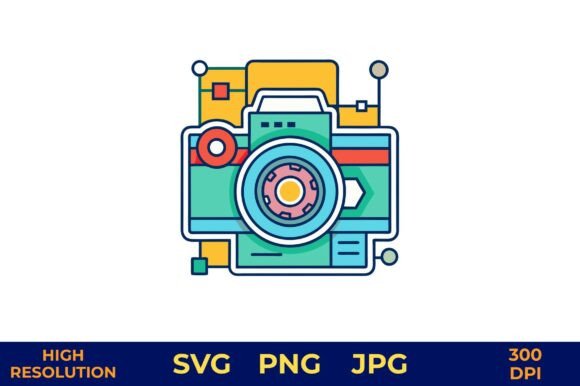
The moment you load this vector into your digitizing software or preview it on a mockup, the vibrant solid color outline pops. It has a distinct mid-century modern vibe that feels nostalgic yet fresh. For an Illustrations category item, it strikes a balance between detailed enough to be interesting and simple enough to stitch cleanly. The lens details are crisp, which is crucial because blurred lenses in embroidery often look like muddy blobs unless digitized with exceptional precision.
Mood-wise, this design screams "creative hobbyist" or "vintage collector." It creates an immediate emotional connection with anyone who appreciates analog photography. When I imagine this on a finished product, it doesn’t feel like a corporate logo; it feels like a personal statement. That distinction is vital for handmade product sellers. Customers buying from small shops want items that feel curated and thoughtful, and this camera motif delivers exactly that personality without being overly loud or chaotic.
Real-World Application: Where Does It Shine?
I put this design through several mental simulations based on current trends in the craft business space. Here is where I see the highest ROI (Return on Investment) for this specific design assets type:
- Tote Bag Design: This is perhaps the strongest use case. A colorful retro camera embroidered on a natural canvas tote bag is a staple item. The sturdy fabric can handle the stitch density required for the solid outlines, and the theme aligns perfectly with the utility of the bag. It appeals to artists, photographers, and students alike.
- Sweatshirt Embroidery: Think of a cropped hoodie or a cozy crewneck. Placing this slightly off-center on the chest or centered on the back creates a trendy streetwear look. The vibrant colors contrast beautifully against heather grey, navy, or cream fleece fabrics.
- Baby Embroidery: While cameras might seem adult-oriented, they work wonderfully for "future photographer" baby gifts. On a onesie or a muslin burp cloth, the simplified lines read as cute and playful rather than technical. It makes for a memorable personalized gift for baby showers.
- Embroidered Patch: If you are selling patches, this design translates well. The bold outline allows for a clean edge if you are using applique techniques or heavy satin stitching around the perimeter. It fits the current trend of enamel-pin-style patches on denim jackets and backpacks.
Technical Performance and Stitching Clarity
From a technical standpoint, the success of any machine embroidery design lies in its clarity. The Retro Camera Vector with Colorful relies heavily on its outline definition. In my experience, designs with thick, uniform outlines tend to stabilize better during stitching than those with hairline thin strokes, which can pucker or break thread.
When evaluating this for an embroidery project, I look at how the fill stitch areas interact with the satin stitch borders. If the internal details of the camera (like the shutter dial or flash) are too dense, you risk needle breaks or fabric distortion. However, assuming the vector is clean, the design likely benefits from a mix of running stitch for fine details and broader fills for the body. This variety keeps the texture dynamic, preventing the final piece from looking flat.
One critical factor is the thread colors. Because the vector emphasizes color, the choice of thread palette will dictate the final mood. Using high-quality polyester threads will enhance the vibrancy, whereas cheap rayon might dull the impact. For a true retro feel, I’d recommend pairing primary colors with muted backgrounds to let the design stand out.
Where to Exercise Caution
No design is universal, and there are specific contexts where this camera graphic might struggle:
- Small Hoop Sizes: If you attempt to stitch this on a 4x4 hoop or smaller, the details may become indistinguishable. Tiny screws or text elements could merge into a single blob. Always check the hoop size requirements before committing to small accessories like socks or tiny hat bands.
- Textured Fabrics: While linen and canvas are great, highly textured fabrics like bouclé or heavy terry cloth can obscure the fine lines of the camera lens. The stitch definition gets lost in the fabric weave.
- Curved Surfaces: Attempting to embroider this directly onto a curved cap front requires advanced digitizing to account for the curvature. Without proper underlay and stabilization, the circular shape of the camera might distort into an oval.
- Dense Stitch Areas: If the design includes large solid blocks of color, ensure your stabilizer is robust enough. On stretchy knits, a heavy fill can cause the garment to pucker significantly after washing.
Impact on Brand Consistency and Customer Trust
For Etsy seller profiles and boutique branding, visual consistency builds trust. A clean, well-executed embroidery project signals professionalism. When a customer receives a finished product where the Retro Camera Vector with Colorful is stitched neatly, with no loose threads and accurate proportions, it reinforces the value of the item. It suggests care was taken in production.
Furthermore, the nostalgic theme enhances giftability. People rarely buy things for themselves that they wouldn’t give to others. A retro camera design taps into shared cultural memories, making it an easy sell for holidays, birthdays, or teacher appreciation gifts. It’s a safe yet stylish choice that appeals to a broad demographic, reducing the risk of unsold inventory for small shop owners.
Practical Designer Notes for Implementation
Before you upload this to your production queue, here are my essential recommendations:
- Test on Scrap Fabric: Never run a new design straight onto your final product. Use a scrap of the exact same fabric and stabilizer combination to check for puckering or misalignment.
- Check Contrast: View your design in black and white. Does the structure hold up? If the details rely solely on color differences, they may disappear when stitched in monochrome or low-contrast threads.
- Inspect Small Details: Zoom in on the lens and dials. Are they clear? If not, consider simplifying the digitization by removing minor details that won’t render well at typical embroidery scales.
- Confirm Licensing: Since this is a digital asset, verify whether the license allows for commercial embroidery sales. Some vectors are for personal use only. Ensure you have the right to sell the finished physical goods.
- Create Printable Mockups: Before investing time in stitching, create a printable mockup to show potential customers. This helps gauge market interest without wasting materials.
In conclusion, the Retro Camera Vector with Colorful is a versatile and visually appealing choice for designers looking to add a touch of vintage charm to their offerings. Its strong outlines and recognizable subject matter make it suitable for a wide range of small shop products, from apparel to home decor. By paying attention to fabric selection, stabilization, and detail clarity, you can transform this vector into a profitable and beloved addition to your collection.