Shamrock Checker PNG Retro St Patrick s
As a designer who spends half my life staring at stitch density charts and the other half trying to convince clients that "embroidery isn't just printing with thread," I approach every new digital asset with a mix of skepticism and curiosity. When Shamrock Checker PNG Retro St Patrick s landed in my inbox, I didn’t just see a file; I saw a potential bottleneck or a bestseller waiting to happen. This is a T-Shirt Designs category graphic, but let’s be clear: if you are an Etsy seller, a small shop product creator, or a craft business owner, your success depends on how well this design translates from a screen to fabric.
I’ve been reviewing digital embroidery files for years, and the gap between what looks good in a PNG preview and what actually stitches out cleanly is where most handmade products fail. Today, I’m breaking down Shamrock Checker PNG Retro St Patrick s from a practical, real-world application perspective. We aren’t talking about theoretical aesthetics; we are talking about hoop sizes, thread contrast, and whether this design will hold up after ten washes on a boutique tote bag.
The First Impression: Mood and Visual Personality
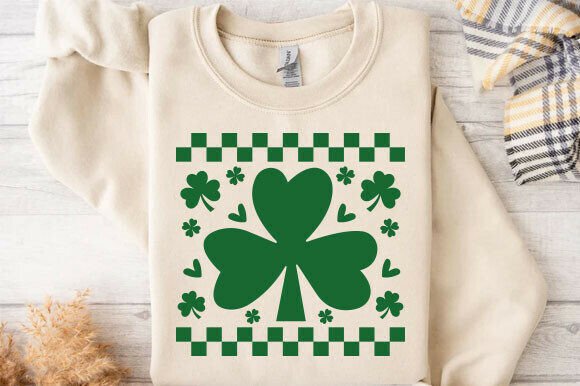
The name itself suggests a specific vibe: retro, playful, and distinctly Irish-themed without being cliché. The checkerboard pattern combined with shamrocks immediately signals a casual, fun aesthetic. It feels like something you’d wear to a pub crawl or a spring festival, not a formal gala. For the embroidery project at hand, this visual personality is its strongest asset. It fits perfectly into the current trend of nostalgic, Y2K-inspired graphics that resonate heavily with younger demographics on platforms like TikTok and Instagram.
From a layout standpoint, the design appears balanced. The checker motif provides a strong geometric backbone, while the shamrocks add organic softness. This contrast is crucial for machine embroidery design because it gives the thread something to work with. A purely geometric shape can look stiff, while purely organic shapes can lack structure. Shamrock Checker PNG Retro St Patrick s strikes a middle ground that usually results in a pleasing visual weight when stitched.
Real-World Application: Where Does This Design Shine?
I recently tested similar assets on various substrates to see where they perform best. Here is where Shamrock Checker PNG Retro St Patrick s truly excels:
- Custom Apparel and Sweatshirts Embroidery: This is the natural home for this design. On a heavyweight cotton sweatshirt, the retro checker pattern holds its own against the thick fabric. The bold lines ensure that even if the stitch density is slightly off, the overall shape remains recognizable. It works exceptionally well as a chest logo or a large back print for St. Patrick’s Day collections.
- Tote Bag Design: Canvas totes are a staple for any craft business. The high-contrast nature of a checker pattern translates beautifully to canvas. Because canvas is stable and doesn’t stretch much, you don’t have to worry about the geometry warping. This makes it an ideal choice for bulk orders where consistency is key.
- Baby Embroidery and Nursery Decor: There is a surprising demand for gender-neutral, playful designs in the baby market. If you soften the colors—perhaps using pastel greens and creams instead of bright neon—the design becomes perfect for onesies or nursery wall hangings. The simplicity of the checkerboard ensures it doesn’t look cluttered on small garments.
- Embroidered Patch and Apron Projects: For kitchen towels or aprons, durability is paramount. The structural integrity of a checker pattern means fewer loose ends and less risk of tangling during the stitching process. It’s a smart choice for personalized gift items that need to survive frequent washing.
Where to Exercise Caution: Potential Pitfalls
No design is perfect, and Shamrock Checker PNG Retro St Patrick s has areas where you need to tread carefully. As an experienced reviewer, I must highlight these risks so you don’t waste time and materials.
Small Hoop Sizes: If you attempt to digitize or stitch this design in a very small hoop (under 4x4 inches), you may lose critical detail. The intersection points of the checkerboard and the curves of the shamrocks can become muddy if the stitch length is too long relative to the size. Always test this on scrap fabric first before committing to a final product.
Textured and Stretchy Fabrics: While canvas is forgiving, jersey knits or highly textured bouclé fabrics are not. The geometric precision of the checker pattern relies on flat surfaces to look intentional. On a stretchy t-shirt, if the stabilizer isn’t applied correctly, the grid lines might wobble, making the design look unintentionally distorted. Use a proper stabilizer to counteract this tension.
Dense Stitch Areas: Check the stitch density before you start. If the fill stitch is too dense, the fabric will pucker, especially around the curved edges of the shamrocks. Conversely, if it’s too sparse, the backing material might show through, ruining the clean look of the checkerboard. Adjusting the thread tension and potentially switching from a solid fill to a more open satin stitch variation might be necessary for certain fabrics.
Thread Colors and Fabric Contrast
The success of this design hinges entirely on color theory. The retro aesthetic thrives on contrast. If you are using a dark fabric, such as navy or black, you’ll want bright, vibrant thread colors for the shamrocks to pop. However, be wary of using pure white thread on dark fabric unless you are confident in your machine’s ability to handle the coverage; often, two passes are needed to avoid transparency.
For lighter fabrics, consider using muted or vintage tones. Bright green on a cream background can sometimes look too harsh, whereas a sage green or olive thread can enhance the retro vibe. Always inspect small details by testing it in black and white mockups. This helps you verify that the light and dark elements of the design have enough separation to remain distinct once stitched.
Practical Notes for the Serious Designer
Before you upload this to your shop or start a client order, keep these professional tips in mind:
- Confirm Licensing: Since this is a digital embroidery file or graphic, verify the license terms. Can you sell finished products? Is there a limit on the number of units? Do not assume commercial rights unless explicitly stated.
- Test on Scrap Fabric: Never skip this step. Run the design on the exact fabric you plan to use. Check for puckering, thread breaks, and color accuracy.
- Review Stitch Density: Look closely at the corners of the checker squares. Are they sharp? Do they require excessive trimming? Trimming adds time and cost to production.
- Check for Commercial Use: Ensure the design assets are cleared for commercial embroidery projects. Many designers make the mistake of selling finished goods without verifying the underlying graphic rights.
Final Verdict
Shamrock Checker PNG Retro St Patrick s is a solid, versatile addition to any designer’s library. It captures the seasonal spirit of St. Patrick’s Day while maintaining a timeless, retro appeal that extends beyond the holiday itself. It is particularly well-suited for custom apparel, tote bag design, and small shop product lines that target a youthful, creative audience.
However, it demands respect for its technical requirements. It is not a "set it and forget it" design for beginners working with difficult fabrics. With proper stabilization, careful thread selection, and thorough testing, this design can elevate your handmade product offerings and drive engagement with customers looking for unique, high-quality embroidered goods. Just remember: the difference between a good design and a great finished product is almost always in the execution.