Retro Dust and Scratches Digital Texture Review
In the world of digital embroidery, textures are often an afterthought—a quick overlay added to make a design look "aged" or "vintage." However, as a designer who spends hours scrutinizing stitch density and fabric interaction, I know that texture can make or break a finished product. Today, I am putting Retro Dust and Scratches Digital Texture through its paces. This isn't just about looking at a PNG file; it is about understanding how this asset translates into physical reality for your craft business, Etsy listings, or personal projects.
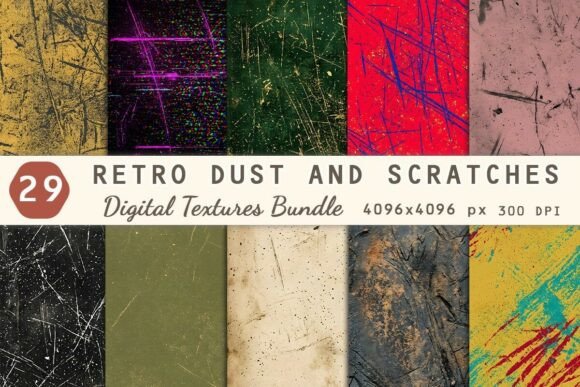
This review focuses on practical application. We will explore how these 29 high-resolution files perform when applied to real-world scenarios, from custom sweatshirt embroidery to delicate baby embroidery items. If you are a small shop owner or a creative entrepreneur looking to add depth and authenticity to your designs, read on to see if this bundle deserves a spot in your workflow.
First Impressions: The Mood and Visual Personality
When you first unpack a bundle like Retro Dust and Scratches Digital Texture, the immediate question is always: does it feel authentic or artificial? The visual personality of this collection leans heavily into nostalgia. It captures the essence of worn-in denim, faded vintage tees, and well-loved leather goods. The mood is relaxed, approachable, and tactile.
The detail level is where this set shines. Unlike low-resolution overlays that blur into noise, these textures provide distinct scratches and dust particles that mimic actual wear and tear. For designers working on custom apparel or embroidered patches, this level of detail adds a layer of sophistication. It suggests history and quality, which are powerful psychological triggers for buyers. When a customer sees a design with realistic distressing, they subconsciously perceive the item as more unique and less mass-produced.
The layout of the 29 included PNG files offers variety without overwhelming you. You get different intensities of dust and varying lengths of scratch marks. This versatility allows you to tailor the look to specific fabrics. Whether you are creating a rugged tote bag design or a softer nursery decor piece, there is likely a texture within this bundle that fits the aesthetic perfectly.
Real-World Application: From Screen to Stitch
Let’s talk about a specific scenario. Imagine you are preparing a batch of custom aprons for a local coffee shop or a holiday gift set for your Etsy store. You have chosen a classic font and a simple iconography for the main design. On screen, it looks clean but perhaps a bit sterile. This is where Retro Dust and Scratches Digital Texture becomes invaluable.
By applying these textures digitally before sending the file to your embroidery machine (or using them in mockups for online sales), you simulate the final look of the garment. For instance, placing a subtle dust texture over a fill stitch area on a dark cotton apron can hide minor imperfections in stitching while adding character. It makes the handmade product feel lived-in and authentic.
This texture also works exceptionally well for commercial embroidery projects aimed at the boutique market. Think about caps or hats. These items naturally accumulate wear. By pre-distressing your digital designs with these scratches, you align the design with the natural lifecycle of the product. It creates a cohesive narrative between the graphic and the garment itself. For Etsy sellers, this attention to detail can be the difference between a generic listing and one that stands out in a crowded feed.
Where Caution Is Required
While this texture is versatile, it is not a magic bullet for every situation. As an experienced reviewer, I must highlight areas where this asset needs careful handling. First, consider small hoop sizes. If you are working on tiny details, such as intricate lettering or miniature logos, the dust and scratches might obscure critical elements. Always test at the smallest intended size to ensure legibility remains intact.
Secondly, fabric choice matters immensely. Textured fabrics, such as heavy waffle weaves or bouclé, already have a lot of visual noise. Adding another layer of digital texture via mockup or even physical overlay techniques might create a muddy effect that lacks clarity. Similarly, thin or stretchy fabrics require precise tension settings. While the texture itself is digital, the underlying design it accompanies must be robust enough to handle the fabric's movement without puckering.
Dark fabrics present another consideration. While scratches often pop against light backgrounds, dust can sometimes get lost or appear too harsh on deep blacks or navys. It is crucial to inspect small details in black and white mockups to check contrast levels. If the texture reduces the readability of your main design, it is doing more harm than good.
Impact on Brand Consistency and Customer Trust
In the age of print-on-demand and mass production, customers crave authenticity. A consistent brand voice includes visual consistency. Using Retro Dust and Scratches Digital Texture helps establish a recognizable style across your design assets. If your brand is built on vintage aesthetics, rustic charm, or artisanal quality, these textures reinforce that identity.
This consistency builds trust. When a buyer sees a printable mockup that looks professional and cohesive, they are more likely to believe in the quality of the physical product. Conversely, inconsistent styling—where some products look crisp and new while others look artificially aged—can confuse the brand message. By mastering how to use these textures effectively, you ensure that every small shop product feels like part of a curated collection.
Furthermore, the perceived value of a personalized gift increases when the presentation is thoughtful. Even if the texture is applied digitally for marketing purposes, it sets the right expectation for the customer. They anticipate a product with character, not just a blank canvas with thread on it.
Practical Designer Notes for Implementation
To get the most out of this bundle, follow these practical steps before committing to large production runs:
- Test on Scrap Fabric: Always stitch your base design on scrap material first. Observe how the thread interacts with the weave. Then, apply the texture digitally to your photos to see if it enhances the image without distracting from the stitch work.
- Check Thread Color Contrast: Ensure that your chosen thread colors maintain visibility against the background once the texture is applied. High contrast usually yields the best results for detailed work.
- Review Stitch Density: If you are digitizing your own designs, pay attention to stitch density. A dense satin stitch may not show texture as well as a sparse running stitch or fill stitch pattern. Adjust your digitizing accordingly.
- Confirm Hoop Size: Verify that the design fits comfortably within your standard hoop size to avoid edge distortion.
- Use Proper Stabilizer: The foundation of any good embroidery is proper stabilization. Without it, even the best texture won't save a puckered finish.
- Inspect Small Details: Zoom in on your digital files. Are the scratches too aggressive? Do they cover up important parts of the logo? Adjust opacity or scale as needed.
- Check Licensing: Before selling finished items or digital embroidery files, confirm the licensing terms. Some bundles allow commercial use for physical goods but restrict resale of the digital assets themselves.
Final Verdict
Retro Dust and Scratches Digital Texture is a valuable addition to the toolkit of any serious embroidery designer or creative entrepreneur. It offers a realistic, high-quality way to enhance the visual appeal of your projects, whether you are designing for holiday embroidery, wedding gifts, or everyday custom apparel.
The inclusion of 29 PNG files provides ample variety, and the approximate 4096 x 4096 pixel resolution ensures they remain sharp even when scaled. However, success lies in subtlety. Use these textures to complement your designs, not overwhelm them. By testing thoroughly and considering the fabric and context, you can create embroidery projects that resonate with customers and stand out in the competitive handmade market.
If you are looking to add a touch of vintage soul to your modern creations, this bundle delivers. It is a practical, effective tool for elevating your brand consistency and engaging buyers with visually rich, authentic-looking products.