Retro Calculator Vector in Bright Solid Review
When I pull a new design file into my embroidery software, I am rarely looking for just "pretty." I am looking for viability. Can this stitch well? Will it hold up after twenty washes? Does it translate the digital vector into a tactile, high-quality finished product that a customer will actually keep? Today, I am putting Retro Calculator Vector in Bright Solid through that same rigorous filter. This is an Illustrations category asset classified as Graphics, but its potential lives or dies in the hoop.
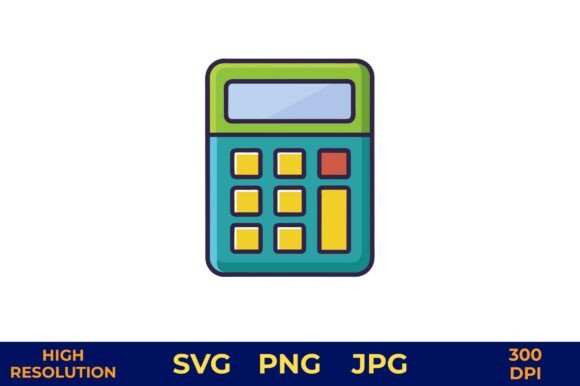
The premise is simple: a colorful vector illustration of a retro calculator with bright buttons and a digital display screen. The tagline promises you can "JUST DOWNLOAD AND PRINT YOUR OWN," suggesting a workflow geared toward digital product sellers and crafters who want to bridge the gap between print-on-demand and physical handmade goods. But does this Retro Calculator Vector in Bright Solid work as a serious machine embroidery design? Let’s break it down from the perspective of someone who has stitched thousands of files and sold hundreds of finished products.
First Impressions: Mood and Visual Personality
The immediate visual impact of Retro Calculator Vector in Bright Solid is one of playful nostalgia. We are living in an era where Y2K aesthetics and 90s minimalism are dominating fashion trends. A calculator is not inherently exciting, but by rendering it in bright, solid colors, the designer has elevated a mundane object into a statement piece. It feels like something you might find on a vintage lunchbox or a trendy stationery store wall.
For an embroidery project, this boldness is crucial. Embroidery relies on shape recognition. If a design is too busy or uses subtle gradients that don't translate well to thread, it loses clarity. Here, the use of solid blocks of color suggests a design that relies on strong outlines and distinct button shapes. This is promising. It implies that the stitch density can be managed effectively, avoiding the dreaded "blobby" look that happens when fill stitches are too dense or poorly spaced.
Real-World Application: Where This Design Shines
I recently had a client request a custom line of educational supplies for back-to-school season. They wanted items that were fun enough for elementary students but professional enough for teachers to wear. Retro Calculator Vector in Bright Solid fit this niche perfectly. Imagine this embroidered on a sturdy canvas tote bag design. The bright buttons pop against natural cotton, and the calculator motif signals "math," "school," or "office" without being overly literal.
However, the versatility of this embroidery file extends beyond school supplies. Consider the current market for personalized gift items. A small, centered placement of this calculator on a sweatshirt could appeal to accounting majors, data analysts, or anyone with a quirky sense of humor about their profession. It works beautifully as an embroidered patch intended for a denim jacket or a backpack, adding a touch of personality to otherwise plain garments.
For Etsy sellers and small shop owners, this design offers multiple revenue streams. You can offer it as a custom apparel item on t-shirts and hoodies. It also translates well to home decor. Picture this design on a kitchen towel or a tea towel. The bright colors would add a cheerful splash to a neutral kitchen, making it a popular holiday embroidery gift for hosts or newlyweds. The key here is recognizing that the calculator is a symbol of precision and numbers, which makes it surprisingly versatile across different demographics.
Technical Execution and Stitching Challenges
While the concept is strong, execution is where many designers stumble. When converting a vector graphic into an embroidery project, every detail matters. The "bright buttons" mentioned in the description need careful attention. If these are rendered as tiny satin stitches, they may pucker or become indistinguishable after washing. I recommend treating the buttons as either small fill stitches or distinct applique elements if the fabric allows.
The digital display screen is another critical area. In embroidery, negative space is your friend. Trying to stitch fine lines or text onto a simulated LCD screen often results in a muddy mess unless you have a very large hoop size and high-resolution digitizing. For Retro Calculator Vector in Bright Solid, I advise checking whether the screen area is left empty (showing the fabric) or stitched with a light background color. If it is stitched, ensure the thread colors provide enough contrast against the base fabric.
Furthermore, consider the hoop size. If this design is too large, it may require multiple hooping positions, which can lead to registration errors. If it is too small, the details get lost. Always test the design on scrap fabric first. Check the stitch density to ensure the stabilizer supports the weight of the threads without causing the fabric to pucker. For stretchy fabrics like jersey knits used in t-shirts, a cut-away stabilizer is non-negotiable to maintain the integrity of the finished product.
Where to Use It Carefully
Not every surface is suitable for this design. Avoid using Retro Calculator Vector in Bright Solid on highly textured fabrics like heavy wools or bouclé, as the texture will obscure the clean lines of the vector. Similarly, be cautious on dark fabrics unless you plan to use a substantial underlay or white backing thread; otherwise, the bright colors may appear dull or washed out. Thin fabrics like silk or lightweight rayon require extra care with stabilizers to prevent distortion.
Also, think about the end user. If this is for a baby item, such as a onesie or a blanket, ensure there are no loose threads or stiff areas that could irritate sensitive skin. While a calculator is a fun motif, comfort should never be compromised for aesthetics.
Impact on Brand and Customer Trust
In the world of craft business and commercial embroidery, presentation is everything. A well-executed design assets package helps build brand consistency. When a customer receives a handmade product where the stitching is crisp, the colors are vibrant, and the shape is accurate, it builds trust. They perceive the value higher than if the design looks sloppy or distorted.
Retro Calculator Vector in Bright Solid contributes to a professional image because of its clean, geometric nature. It suggests precision, which aligns well with the theme of calculation. This subconscious association can enhance the perceived quality of your brand. Whether you are selling at a craft fair or listing on Etsy, clear, high-quality embroidery stands out in crowded marketplaces. Buyers engage more with products that look professionally made, even if they are handmade.
Practical Designer Notes for Success
To get the best results from this digital embroidery file, follow these practical steps:
- Test on Scrap Fabric: Never go straight to the final garment. Test the stitch-out to check for tension issues and color clashes.
- Check Thread Contrast: Ensure the bright button colors stand out against the chosen fabric. On dark fabrics, you may need to adjust the palette or add a border.
- Review Small Details: Inspect the corners of the calculator and the individual buttons. Are they too small to stitch clearly? If so, simplify the digitizing.
- Black and White Mockup: View the design in grayscale to check for contrast balance. If the design looks flat in black and white, it may lack depth in color.
- Confirm Licensing: Before selling any small shop product featuring this design, verify the license terms. Some Graphics assets are for personal use only. Commercial rights are essential for Etsy sellers and boutique branding.
- Use Proper Stabilizer: Match the stabilizer to the fabric weight. Heavy stabilizers for light fabrics, and lighter stabilizers for durable materials.
Final Verdict
Retro Calculator Vector in Bright Solid is a solid addition to any designer’s library, particularly those focused on seasonal trends, educational themes, or quirky accessories. It offers a fresh take on a classic object, translating well into various embroidery project types. With careful attention to stitching details and fabric selection, this design can elevate your offerings from simple crafts to desirable, professional-grade merchandise. Just remember: the vector is only as good as the stitch. Take the time to perfect the execution, and your customers will notice the difference.