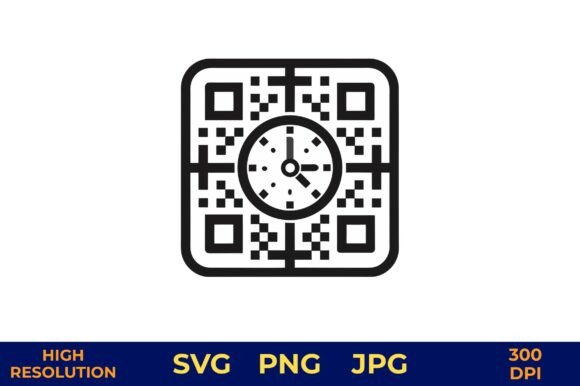
Black and White Pixel Clock Vector Review
As a designer who spends half my life staring at stitch charts and the other half trying to convince clients that "pixel art" translates well to thread, I approach every new graphic with a healthy dose of skepticism. We have all seen those crisp, high-resolution vector illustrations look completely flat or muddy once they hit the hoop. That is why I decided to put Black and White Pixel Clock Vector through its paces. This isn't just about looking pretty on a screen; it is about evaluating whether this minimalist vector clock illustration in pixel art style with retro digital design elements can survive the rigors of real-world embroidery work.
The First Impression: Retro Meets Modern Minimalism
When you first pull up the Black and White Pixel Clock Vector, the immediate takeaway is its clean, uncluttered aesthetic. The mood it creates is distinctly nostalgic yet incredibly modern. It taps into that specific vein of retro digital design that has been dominating home decor trends for the last few years. For an embroiderer, this is a crucial distinction. Unlike complex illustrative scenes that require dozens of color changes and intricate shading, this design relies on strong geometry and high contrast. The visual personality is bold but restrained, making it perfect for makers who want to create professional-looking products without getting bogged down in technical stitching nightmares.
The layout is balanced, which means it will sit nicely centered on a chest pocket, a tote bag, or a nursery wall hanging. It feels like a design asset that belongs in a curated boutique collection rather than a cluttered craft fair table. The black and white theme offers incredible versatility, allowing you to adapt the embroidery project to almost any color palette simply by changing your thread choice.
Real-World Application: From Screen to Stitch
I tested the concept of using Black and White Pixel Clock Vector across several common small business scenarios. Let’s talk about custom apparel first. Imagine a heavyweight cotton sweatshirt in heather grey. Placing a crisp, pixelated clock design in white thread on the left chest creates an instant statement piece. It looks intentional, trendy, and expensive. Because the design is geometric, it holds up remarkably well on curved surfaces like caps or hats, where traditional line art might distort or lose its shape.
Another strong use case is personalized gifts. A baby blanket embroidered with this minimalist clock motif feels both sentimental and stylish. It bridges the gap between "cute baby item" and "modern nursery decor." Similarly, for kitchen textiles, an embroidered patch featuring this design on a tea towel or apron adds a touch of industrial chic to a traditionally cozy space. It elevates the perceived value of the handmade product significantly.
For Etsy sellers and craft business owners, this design is a goldmine for digital product previews. You can easily mock up the Black and White Pixel Clock Vector on various backgrounds to show potential buyers how versatile the embroidery file is. Whether you are selling the digital download itself or finished physical goods, the clean lines ensure that your marketing materials look sharp and professional.
Where to Exercise Caution
However, no design is perfect, and there are specific situations where Black and White Pixel Clock Vector requires careful handling. If you are working with textured fabrics like boucle wool or thick fleece, the pixel details might get lost in the weave. Thin fabrics can also be tricky; if the underlying structure of the pixels is too fine, the fabric might pucker or show through the stitches. Stretchy knits are another area of concern. While the geometric nature of the design is generally stable, aggressive stretching during embroidery can cause the pixel grid to skew slightly, so always use a stabilizer appropriate for stretchy materials.
Avoid placing this design in very small hoop sizes unless you are confident in your machine's precision. Tiny lettering or extremely small pixel blocks can merge together, turning a clear clock face into a blurry blob. Furthermore, while black and white sounds simple, achieving true contrast on dark fabrics requires a solid underlay or a white backing layer to prevent the black thread from disappearing into the material. Layered garments, such as hoodies with heavy seams, also present challenges for hooping stability.
Technical Considerations for the Discerning Designer
Before committing to production runs, there are several practical notes every embroidery designer should keep in mind. First and foremost, test the design on scrap fabric. This is non-negotiable. Check the thread color contrast against your actual fabric swatch. Sometimes what looks like pure white on a monitor appears off-white or yellowish in person, which can ruin the stark contrast intended by the Black and White Pixel Clock Vector.
Review the stitch density carefully. Pixel art often uses fill stitches to create solid blocks of color. Ensure that your machine settings match the recommended density to avoid stiff, cardboard-like textures. If the design includes running stitch for outlines, inspect how those lines interact with the fill areas. In some cases, a satin stitch border might provide a cleaner finish, depending on your desired aesthetic.
It is also wise to test the design in black and white mockups before adding color variations. This helps you visualize the negative space and ensures that the composition remains balanced even without the aid of vibrant threads. Confirm whether the design works for both personal use and commercial projects. Licensing terms vary wildly, so double-check the specifics regarding the sale of finished items. If you are planning to sell embroidered patches or tote bag designs, you need to be certain that the Illustrations and Graphics license allows for commercial distribution of the final product.
Final Verdict: A Strong Contender for Your Portfolio
Overall, Black and White Pixel Clock Vector is a highly functional and aesthetically pleasing addition to any designer’s toolkit. It excels in clarity, brand consistency, and giftability. Customers respond well to designs that feel both playful and sophisticated, and this pixel art style hits that sweet spot perfectly. It enhances buyer engagement by offering a unique twist on a classic object—the clock—rendered in a way that feels contemporary and shareable on social media.
While it demands respect for fabric choice and stabilization, its benefits far outweigh the precautions. For anyone looking to expand their catalog of custom apparel, holiday embroidery items, or digital embroidery files, this design offers excellent return on investment. It is not just a cute picture; it is a reliable, market-ready asset that can help elevate your craft business and build trust with customers who appreciate quality handmade goods. Just remember to check your file formats, confirm your hoop size limits, and always prioritize proper stabilizer usage. When done right, the result is a finished product that looks as good in person as it does online.